




Ultraviolet Light
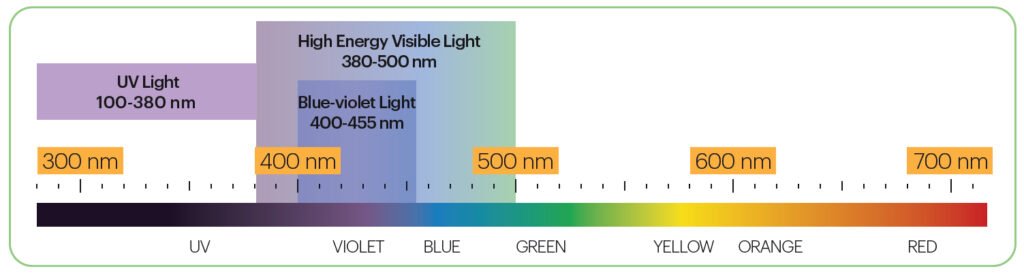
100 nm to 380 nm
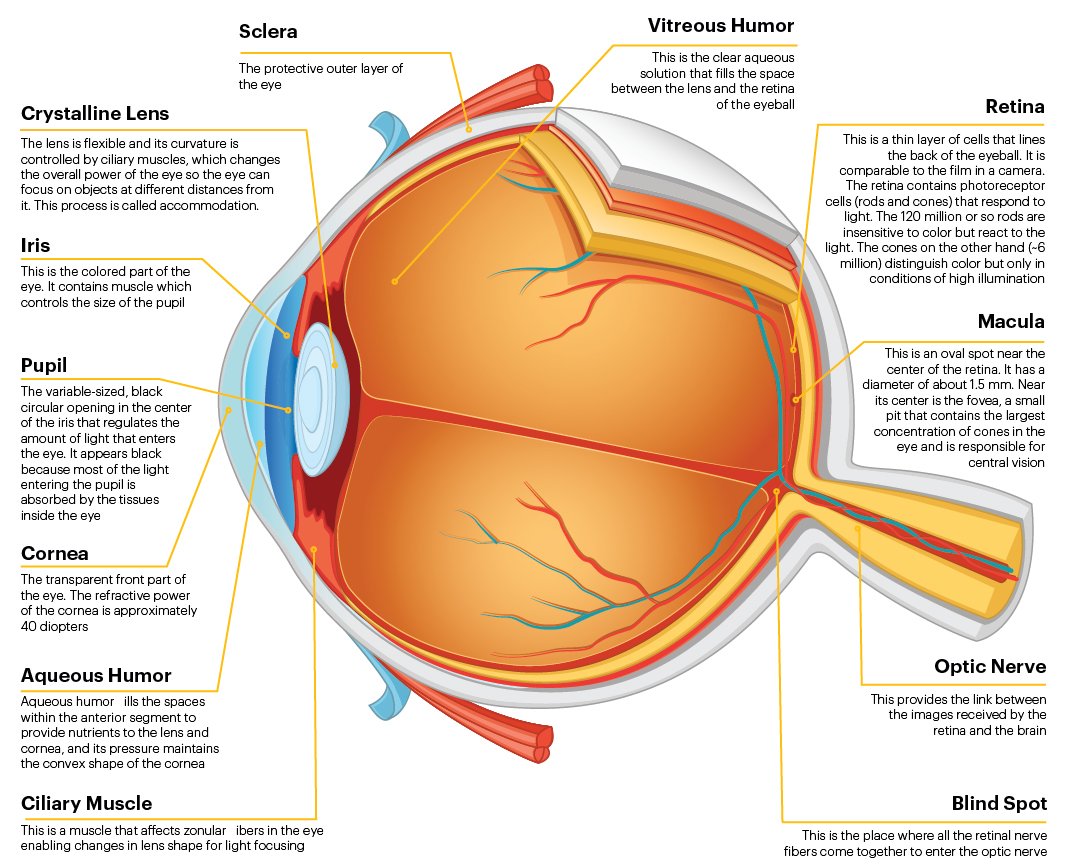
UV rays are present EVERYDAY in all kinds of weather. Over 40% of the annual UV exposure occurs when we are not in full sunlight. UV rays assault the cornea and crystalline lens, causing eye ageing and irreversible eye damage including climatic droplet keratopathy, pterygium, cortical cataract and pinguecula.
Solutions to minimize eye exposure to UV

Up to 80% of UV rays can pass through the cloudn an overcast day.

Up to 40% of damage caused by UV rays occurs when we are not directly in the sun.

Up to 50% of the UV reaching our eyes are reflections from the surfaces all around us: Dry Sand/Concrete Reflect up to 15%Water re’lects up to 10% Snow Reflects up to 85%
Blue-Violet Light
400 nm to 450 nm
BLUE VIOLET LIGHT EXPOSURE
We may spend a majority of our days being exposed to blue-violet light, both indoors and outdoors. The majority of blue light exposure comes from the sun but the increased prevalence of artificial blue light emitting devices has introduced the potential for another level of vision support.
Solutions to filter Blue-Violet Light

Daylight
Sunlight is the electromagnetic radiation, which reaches the earth from the sun and is not filtered by the upper atmosphere. It contains a high proportion of blue-violet light.

LED backlit LCD
Many modern devices use LED as a light source for backlighting LCD screens, these often emit peaks of blue-violet light in the shorter wavelengths of 400-460nm.
Fluorescent
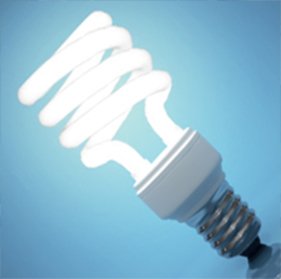
The cool blue light or ‘daylight’ fluorescent bulbs give strong white light for good color rendition, but emit artificial blue light.
What is Blue-Violet Light?
Blue-Violet light is the description of EM wavelengths falling between 400 and 455 nm
as stated by ISO TR 20772:2018